Best fit for
Airey house
This project is most useful for homeowners in Midlands or similar Midlands areas who are comparing external wall insulation for airey house and want real proof of how the recommendation translates into a finished result.
Best fit for
Airey house
Local relevance
Midlands
Main service theme
external wall insulation
Airey houses combine poor thermal performance, visible weathering, and financial stigma, making them one of the clearest examples of a home that benefits from a full external upgrade.
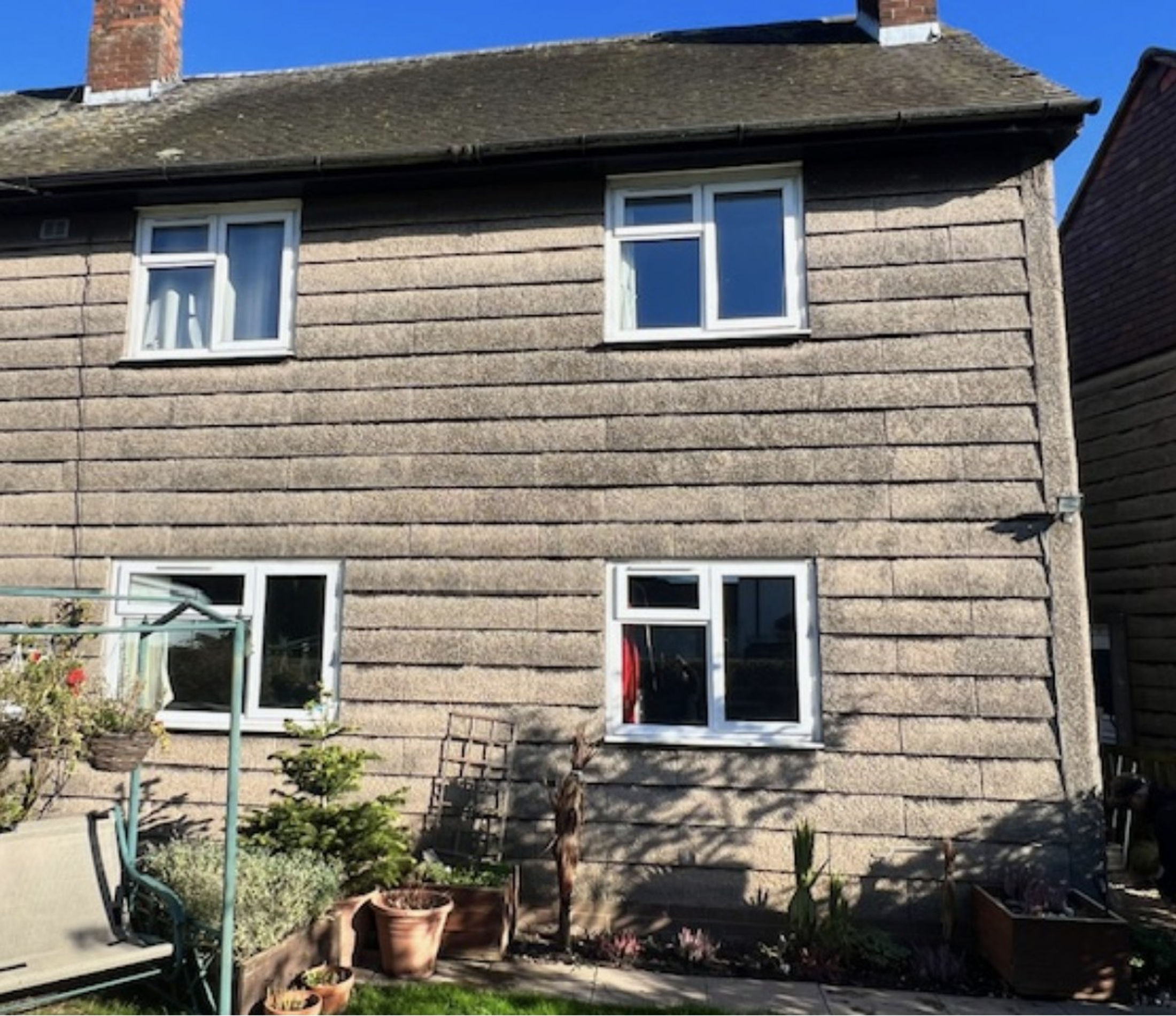
Built rapidly after the Second World War, Airey houses relied on precast concrete panels fixed to reinforced concrete columns. What was once an efficient post-war solution has aged badly and now creates a cluster of thermal, structural, and resale issues for owners and landlords.
Because the walls have little to no cavity insulation and the original concrete panels weather over time, these homes often suffer from cold internal surfaces, condensation, mould, and a visibly dated external appearance.
Little to no cavity insulation means the walls perform poorly thermally.
Concrete panels weather over time with staining, cracking, and spalling.
Cold wall surfaces can drive damp, condensation, and mould.
Mortgage lenders often view defective property types cautiously.
Dated appearance and reduced resale values affect long-term desirability.
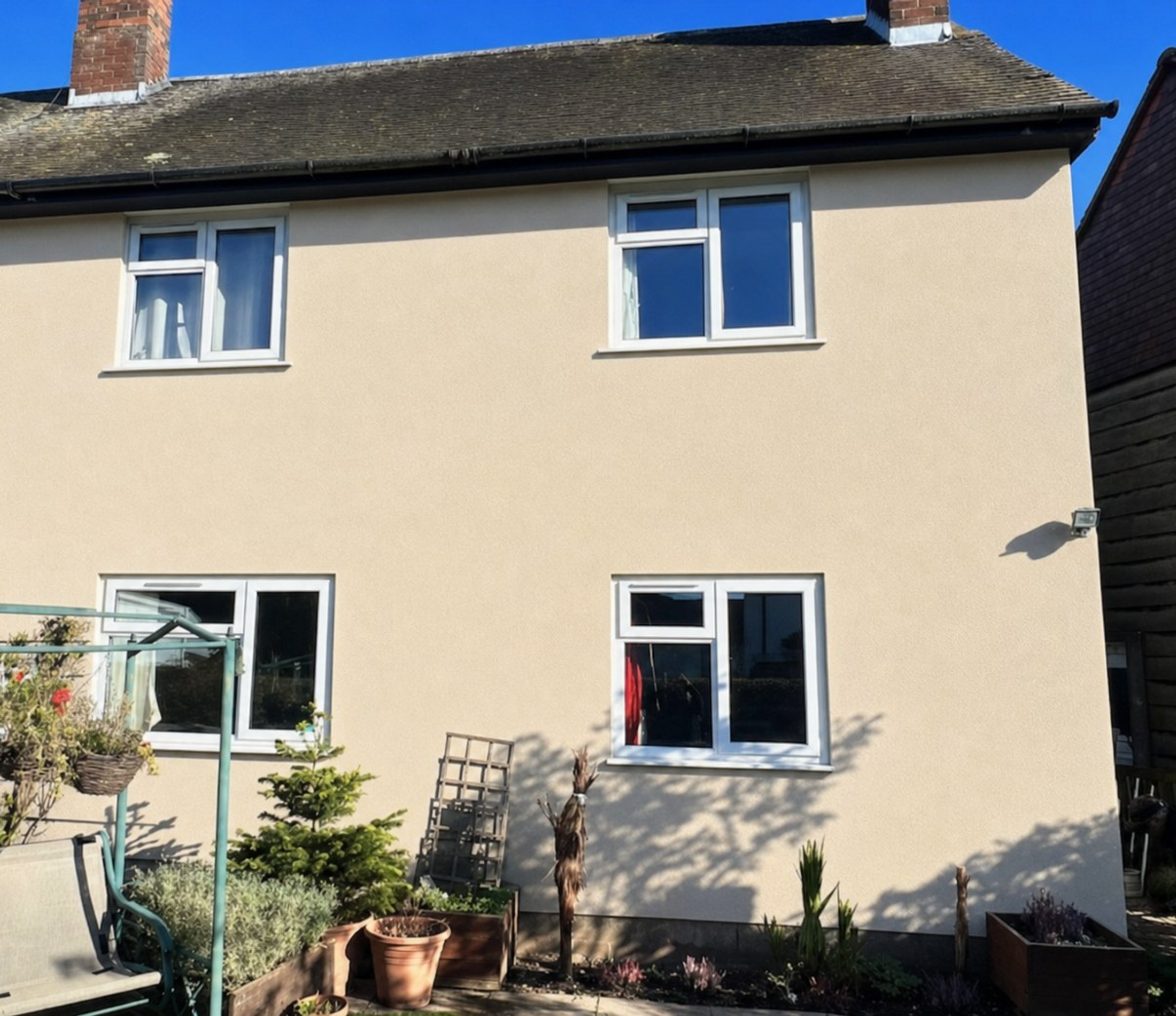
External wall insulation is especially effective for Airey houses because it addresses multiple weaknesses in a single specification.
A typical 90–150mm system can reduce heat loss by up to 40–50%, helping move the home to a warmer, more economical standard.
By warming internal wall surfaces, EWI tackles the cold spots that drive condensation, mould, and damp-related discomfort.
The rendered external layer shields ageing concrete panels from further rain, frost, and weather-related deterioration.
Combined with the right structural works where needed, EWI can improve saleability while also transforming a visibly dated exterior.
The extra build-up adds useful mass and thickness, helping reduce the transmission of outside noise.
The standard Airey-house approach begins with individual survey and specification before moving through insulation, reinforcement, and the final finish.
Each property is assessed individually so panel condition, any structural remediation needs, and the right insulation thickness can be specified before works begin.
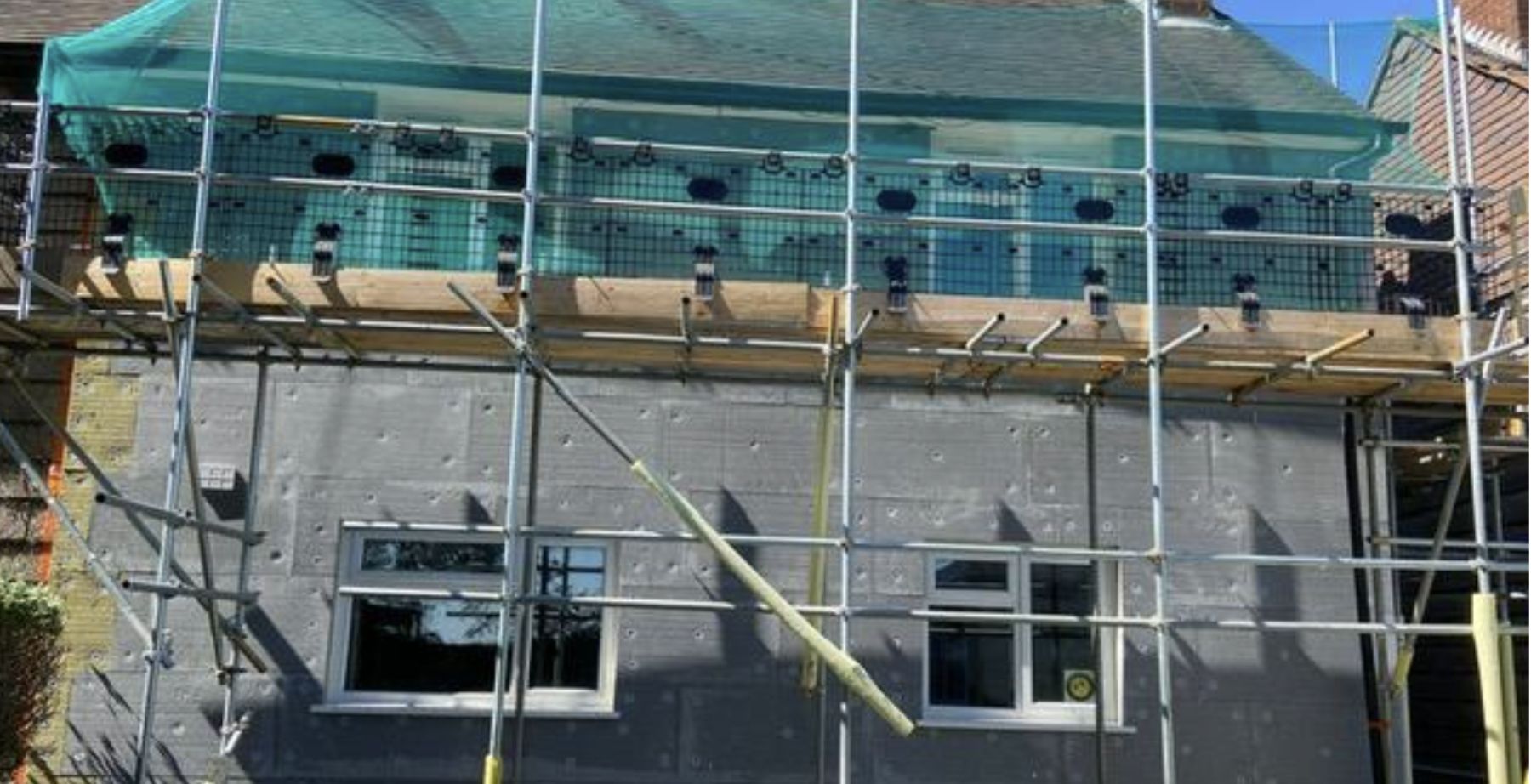
Insulation boards are fixed across the original concrete-panel construction to create a continuous thermal envelope.
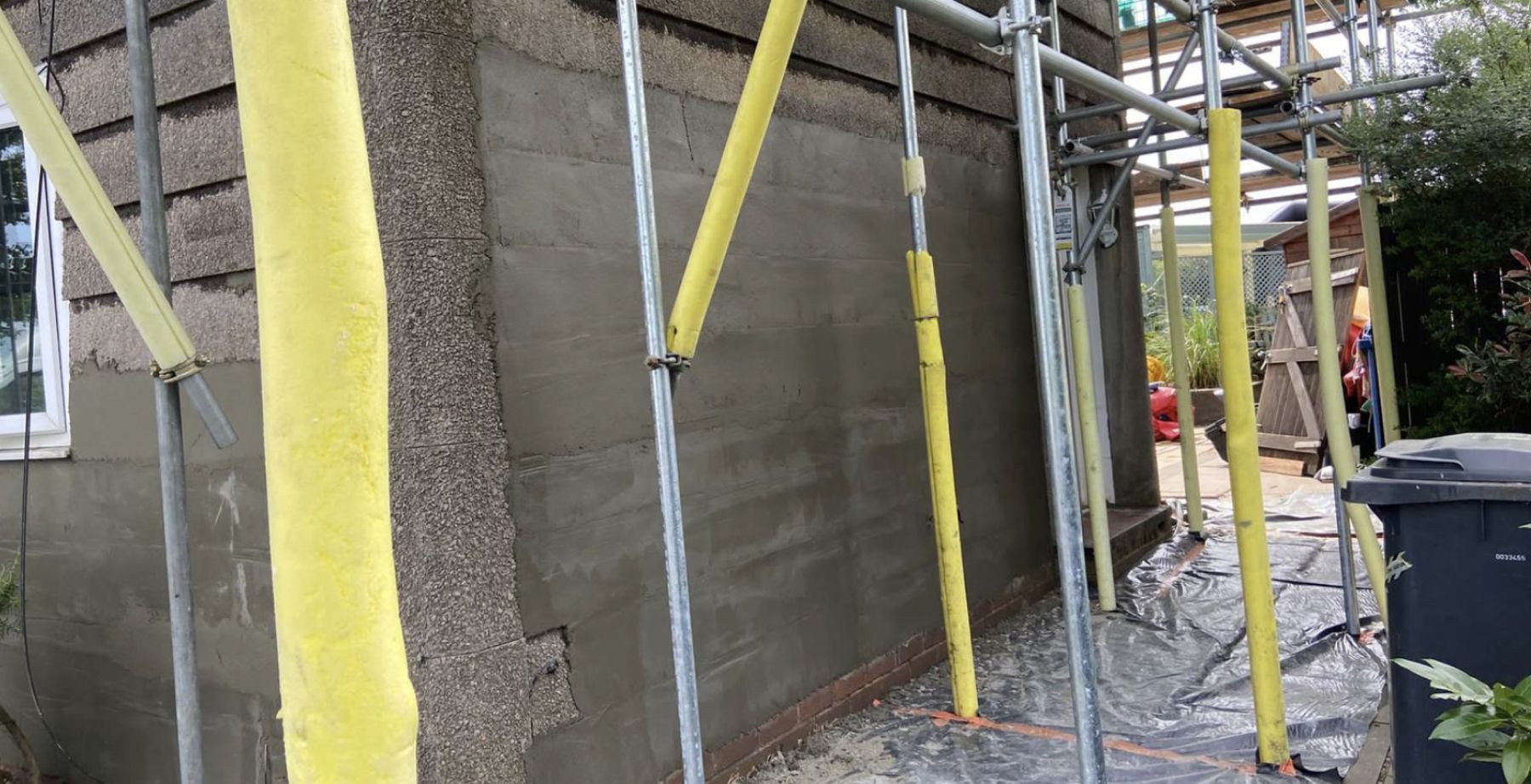
A reinforced base coat creates a crack-resistant substrate that can handle the natural movement of the building.
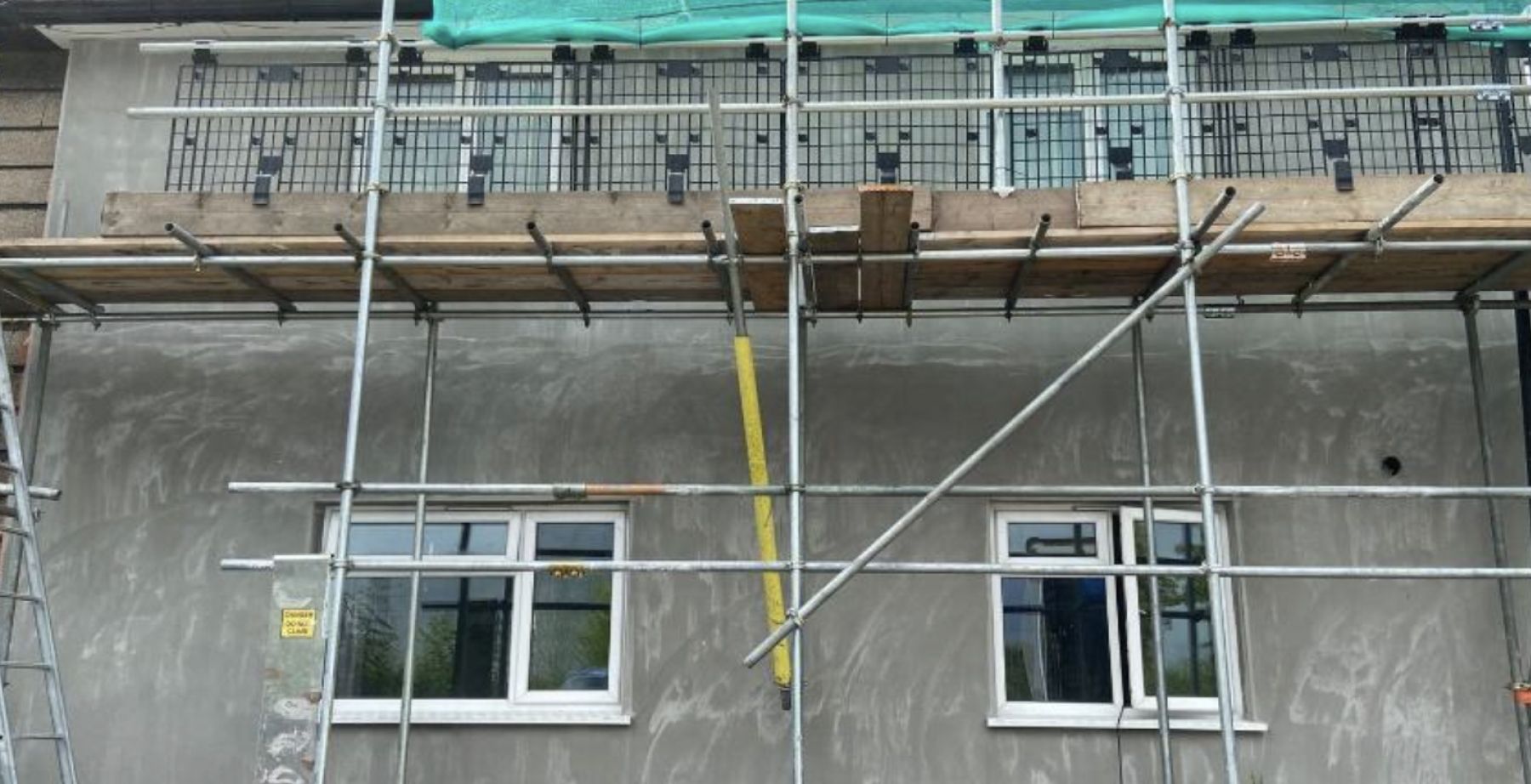
The chosen finish, whether silicone render, coloured render, pebbledash, or brick-effect cladding, completes the external transformation.
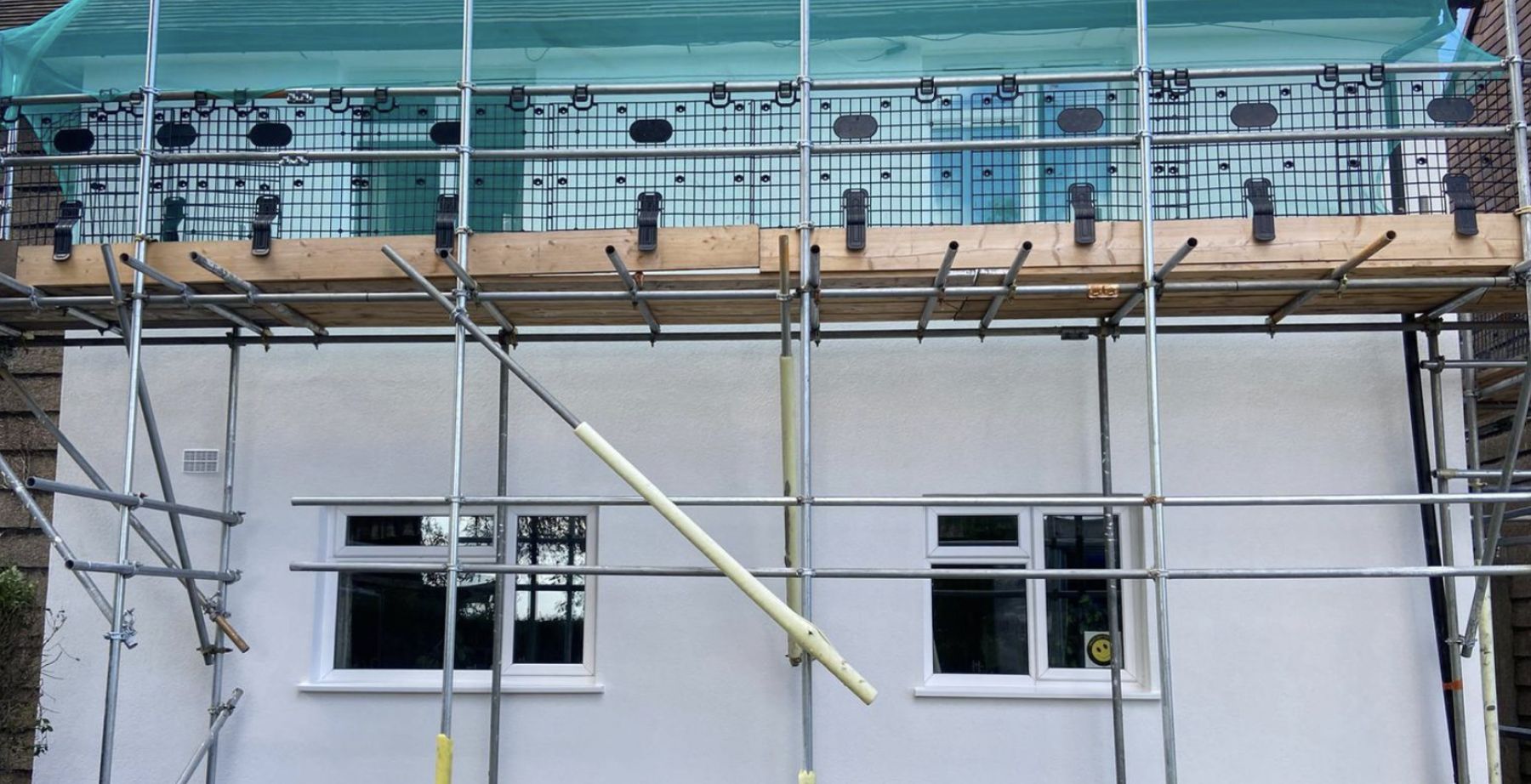
A fully treated Airey house gains a combination of comfort, protection, and commercial benefits that very few single interventions can match.
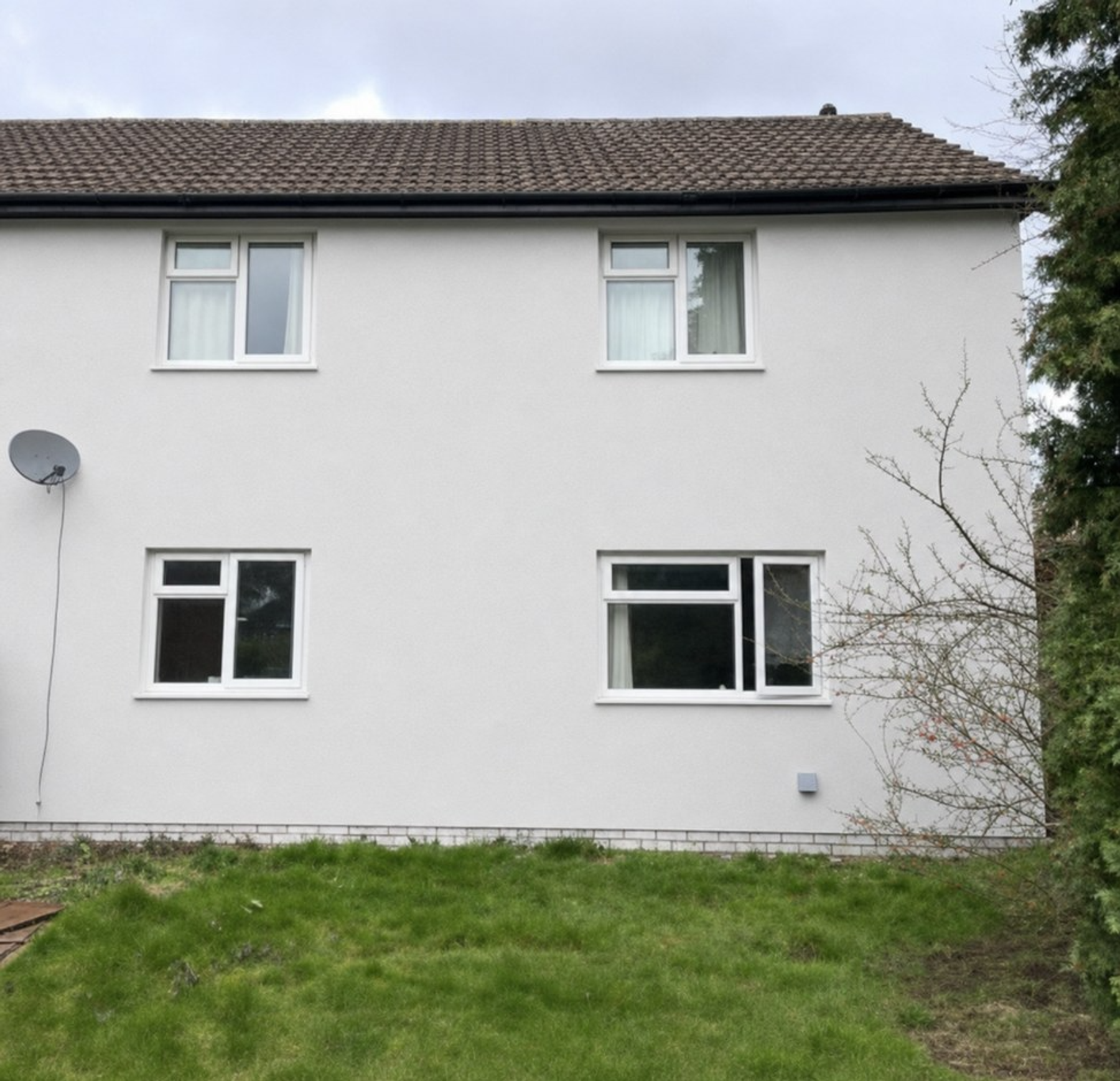
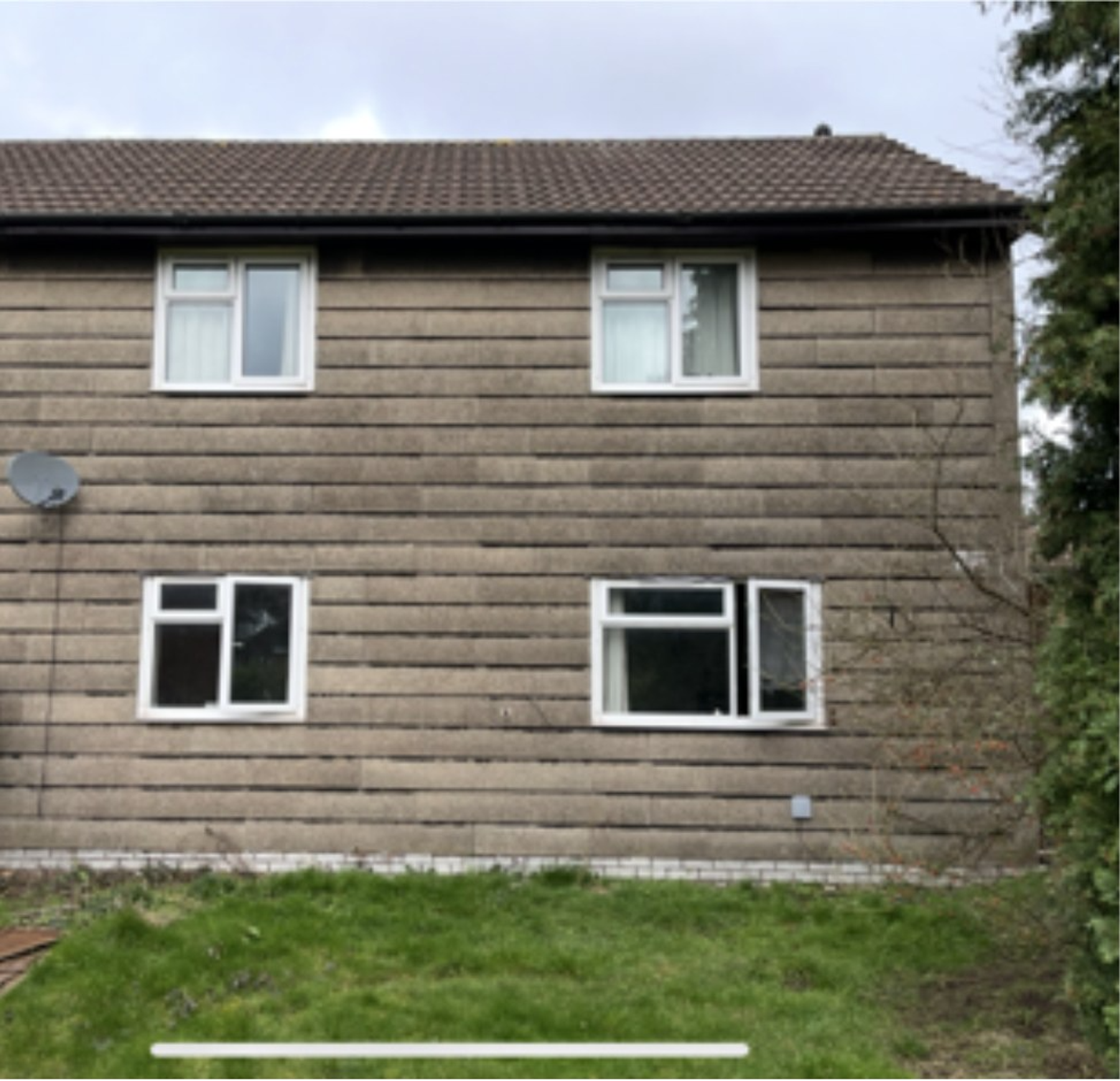
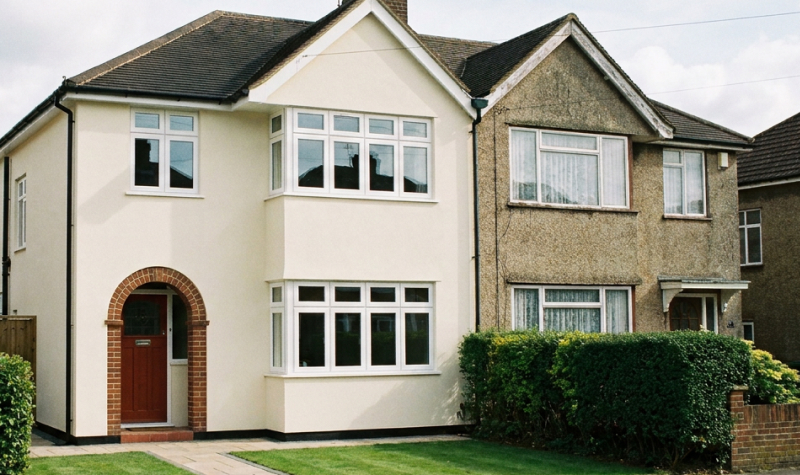
Drag the slider to compare the transformation.
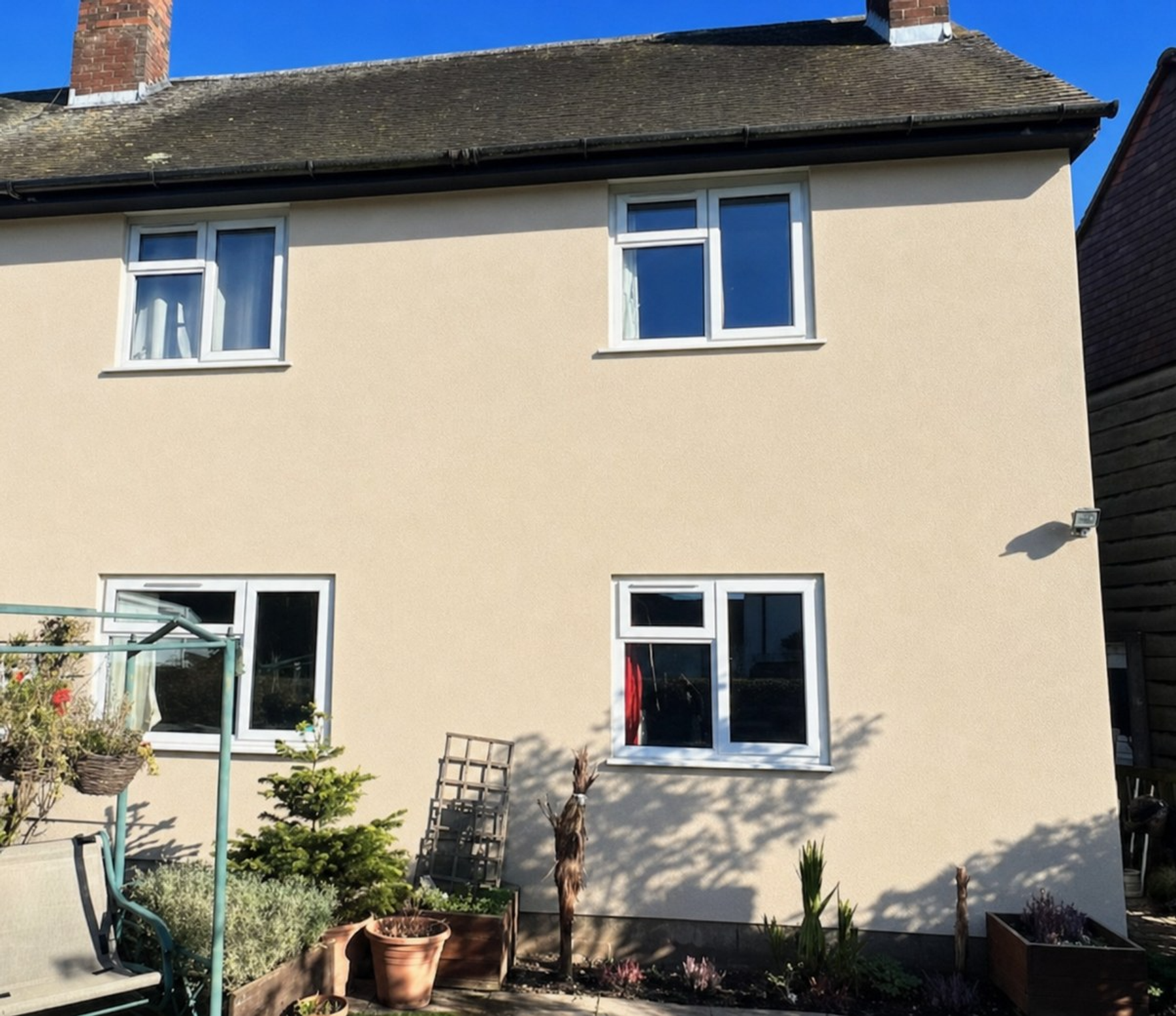
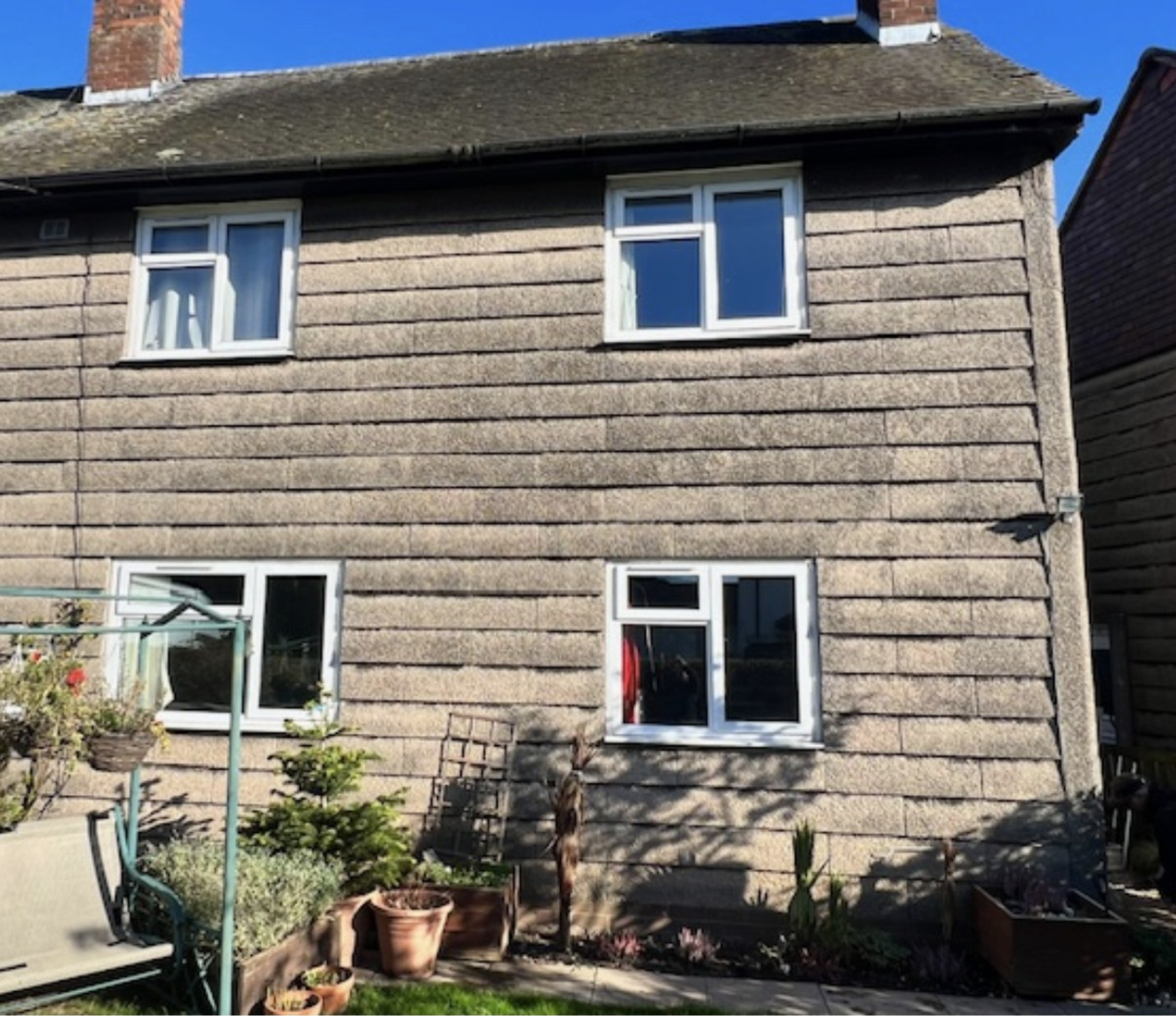
Drag the slider to compare the transformation.
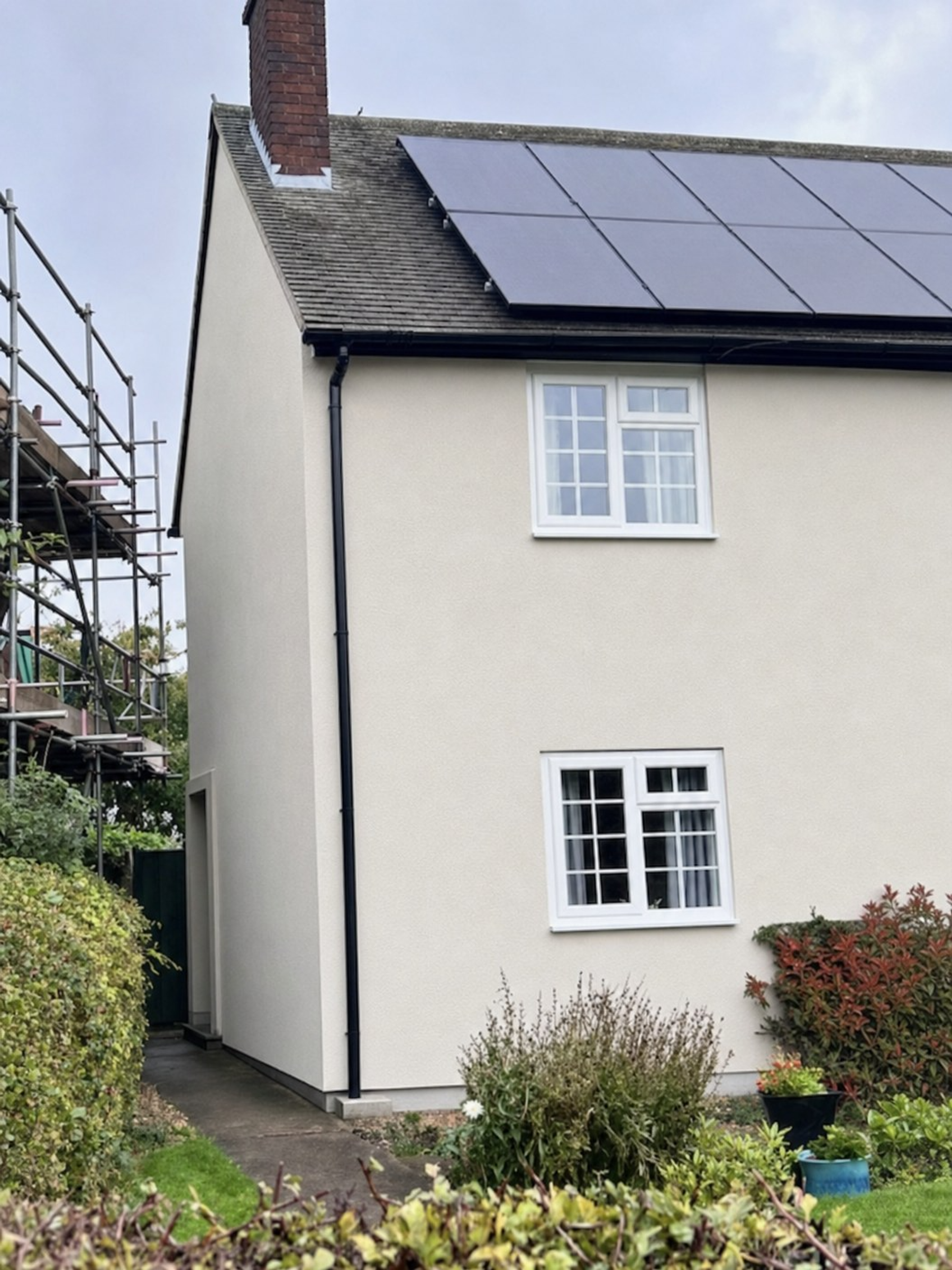
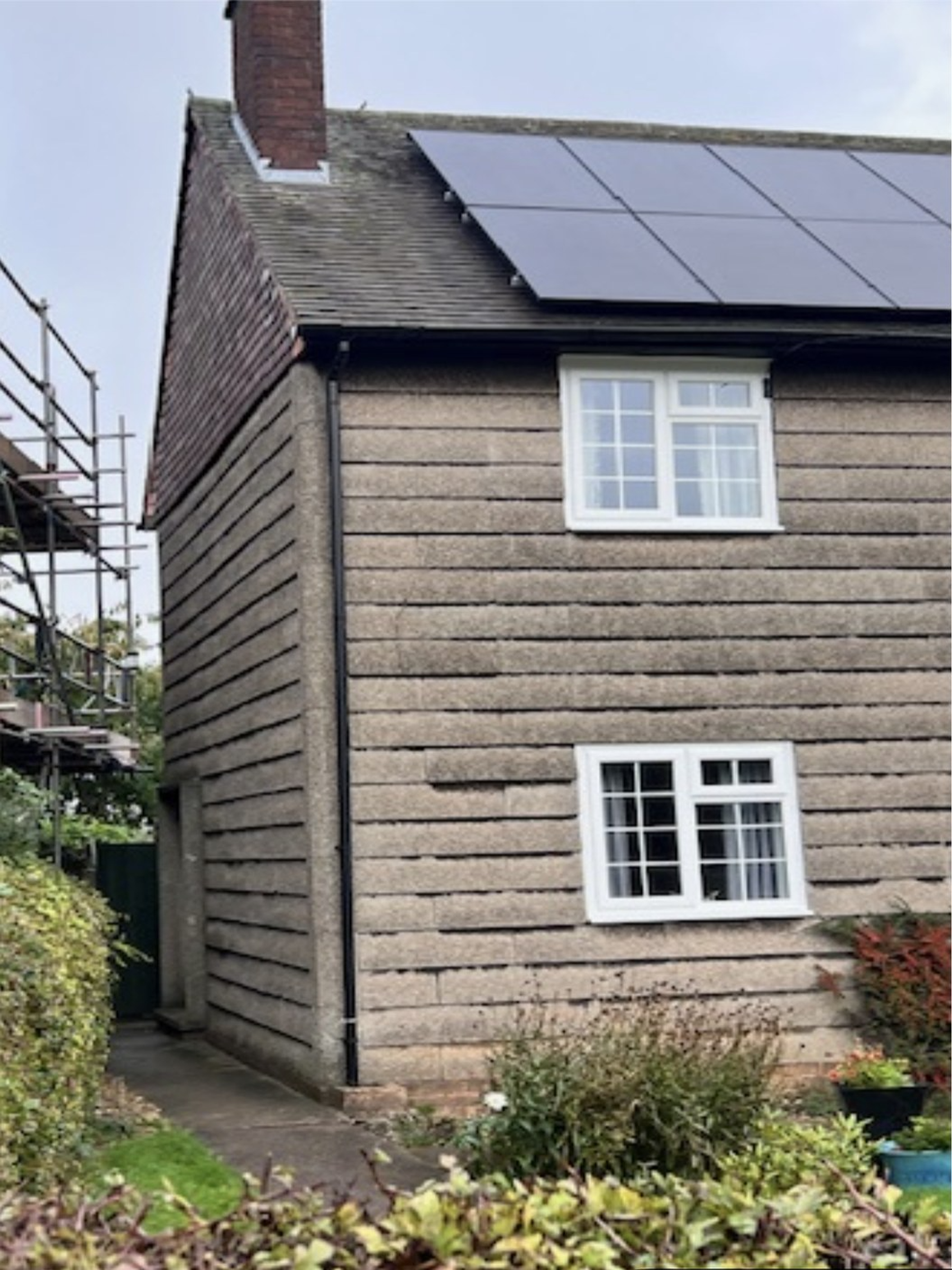
Drag the slider to compare the transformation.
For owners of Airey houses, external wall insulation is one of the clearest examples of a single intervention solving multiple long-standing problems at once. It improves thermal performance, helps tackle damp, protects the original structure, modernises the exterior, and can support the wider goal of restoring value and market confidence in a defective property type.
Use these routes to move from a single project story into the most useful next comparison. The first group keeps you close to the right service, local coverage, and wider proof. The second group helps you keep researching before you decide whether to book a survey.
Compare the core service page if you want to see where this solution fits, how it works, and what to expect next.
Use the matching local landing page to judge whether Rockwarm regularly works on homes like yours nearby.
Add a broader layer of homeowner proof beyond this single project story.
Compare other property types, finishes, and project decisions before you book a survey.
Understand why solid-wall homes behave differently and when external insulation is usually the best fit.
Use the installation guide if you want to know what the process looks like before booking a survey.
Clear up the usual doubts around breathability, disruption, planning, and appearance.
Book your free survey. No obligation, no pressure — just an honest assessment of the best insulation approach for your home, along with clear advice and a fixed-price quote where appropriate.
